Jul 16, 2026 · 8 min read
LAPD Cuts Ties With Flock Safety Over Data Concerns
Los Angeles let its Flock Safety license plate camera contract expire after auditors found the system flagged innocent drivers as car thieves nearly a third of the time. Here is why LAPD walked away, and what it means for the fight over license plate tracking nationwide.
The third largest police department in the country just let a nationwide license plate tracking network go dark inside its own walls. The Los Angeles Police Department allowed its three year contract with Flock Safety, the company behind roughly 80,000 automated license plate readers across the United States, to expire on July 11, 2026, rather than renew it without firmer rules on who owns the collected data. It is the largest single department to walk away from Flock so far, following a wave of smaller cities that made the same call over the past year. For journalists, activists, and anyone who drives a car, the reversal is a rare data point in an otherwise one directional story: police surveillance infrastructure can, in fact, be pushed back.
Key Takeaways
- The Los Angeles Police Department let its three year contract with Flock Safety expire on July 11, 2026, after refusing to renew it without stronger data ownership terms, according to The Record.
- LAPD's Office of Inspector General reviewed a two month sample of Flock generated alerts and found 161 false stolen vehicle matches against 337 real recoveries, a roughly 32 percent error rate that sent officers to pull over innocent drivers.
- Flock's 138 cameras across Los Angeles keep recording under Flock's control, but LAPD Commander Randy Goddard told the Board of Police Commissioners on July 14, 2026, that "nobody has access to that data."
- Los Angeles joins Seattle, Austin, Eugene, Cambridge, Dayton, and Mountain View among police departments and cities that have dropped or suspended Flock contracts over the past year, largely over federal data access and accuracy concerns.
- The Los Angeles Board of Police Commissioners voted July 14, 2026, to suspend any new Flock camera deployments pending a public review of data sharing rules.
Why Did LAPD End Its Flock Contract?
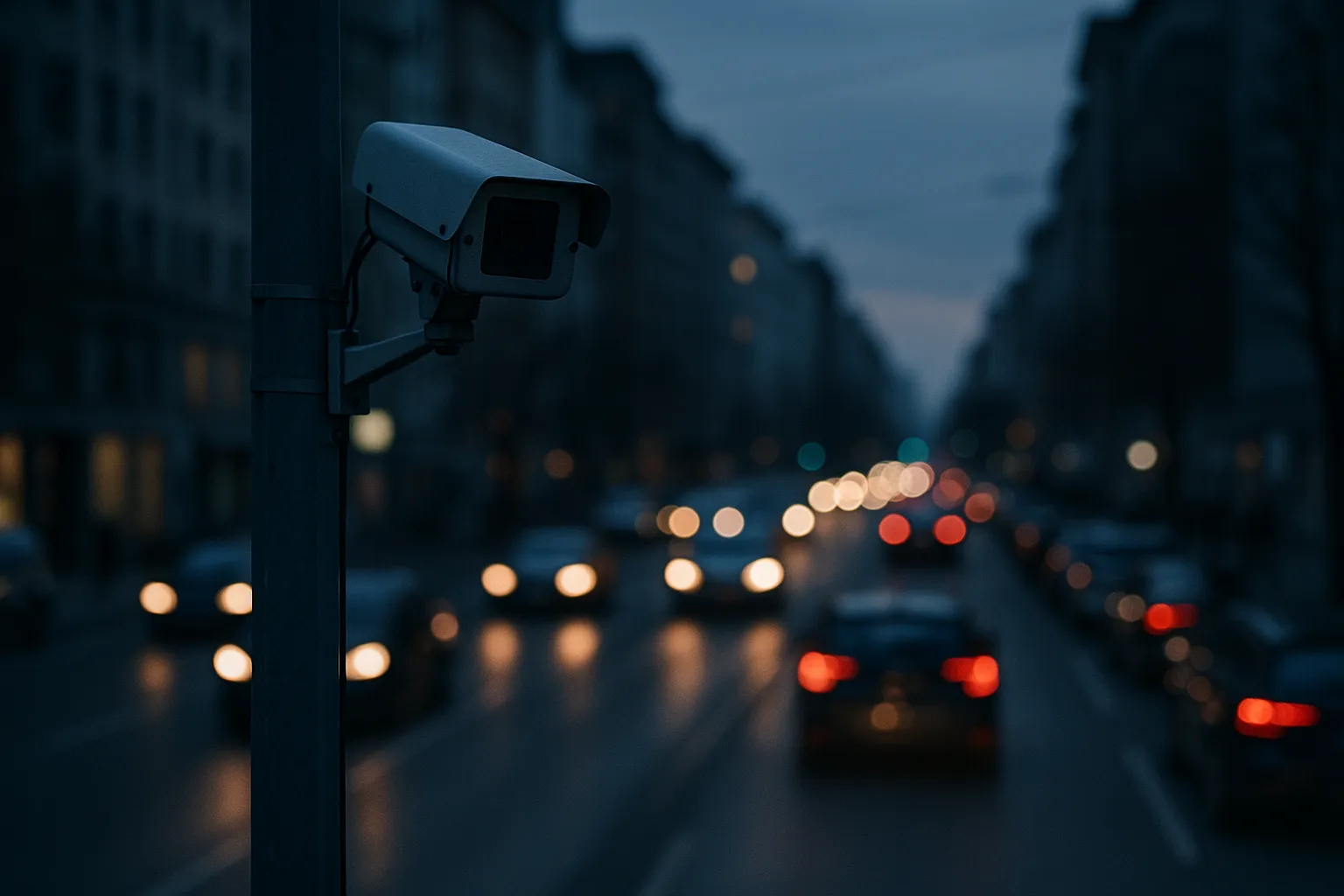
LAPD ended its Flock contract because its own watchdog found the cameras generating false stolen vehicle alerts at an alarming rate, and Flock would not agree to clear terms on who owns the collected data. LAPD signed a three year deal with Flock in 2023 covering 138 pole mounted cameras placed around the city. That agreement lapsed on Saturday, July 11, 2026, and the department chose not to renew it. "This contract is not being renewed because of serious concerns around civil liberties and civil rights issues, particularly around privacy and the data that is being collected from these cameras," LAPD Chief Information Officer Dean Gialamas said, according to The Record. "The sticking point is around having very clear terms about who owns the data, what happens with the data once they collect it."
The decision followed a report from LAPD's Office of the Inspector General, presented to the Board of Police Commissioners on July 14, 2026. Reviewing a two month sample of Flock generated stolen vehicle alerts, auditors found 161 matches that turned out to be wrong, each sending officers to pull over an innocent driver, against 337 alerts that led to genuine recoveries, an error rate of roughly 32 percent. Inspector General Matthew Barragan wrote that "the absence of formal agreements is particularly concerning given the growing national concern over third party access to ALPR data," per NBC Los Angeles. The board voted the same day to suspend any new ALPR deployments until the department can show clearer safeguards.
What Does Flock's Network Actually Collect?
Flock's cameras photograph every passing license plate and feed the image into a shared database that thousands of agencies can search at once, not just the department that installed the camera. Atlanta based Flock Safety operates roughly 80,000 cameras across more than 6,000 government customers, and many agencies can opt into a "national lookup" setting that lets an officer anywhere in the country query plates captured by any participating camera. That scale is what worries privacy researchers. The Electronic Frontier Foundation's review of leaked Flock search logs found more than 12 million searches logged by upward of 3,900 agencies, including one dataset in which San Jose's own database alone was queried nearly four million times in a single year.
The searches are not always about stolen cars. EFF documented a case in which a Johnson County, Texas, sheriff's deputy used Flock's nationwide lookup to search for a woman connected to a self administered abortion, a query that reached 6,809 networks and more than 83,000 cameras nationwide, even though the woman had broken no law in her own state. In California, Mountain View found federal agencies had queried its Flock data without permission for 17 months after Flock quietly switched one camera to nationwide access, prompting the city to shut down all 30 of its cameras. LAPD says its own use is different: "The use is strictly for law enforcement purposes, and it is inherently not for any immigration purposes," Gialamas told reporters, though the department's new contract talks are reportedly centered on making that promise enforceable rather than just verbal. The abuse is not only institutional either: a Milwaukee officer ran a partner's plate 124 times through Flock and got probation.
What Happens to LAPD's Cameras and Data Now?
Flock's 138 cameras in Los Angeles have not been switched off. They keep recording and storing footage in Flock's own cloud, but LAPD itself can no longer see any of it. "Nobody has access to that data," LAPD Commander Randy Goddard told the Board of Police Commissioners on July 14, 2026, describing the standoff. Chief Jim McDonnell has defended the technology as "a very valuable investigative tool, helping locate violent offenders, identify stolen vehicles and generate leads," and the department is now negotiating with the city attorney's office and Flock over a new agreement. Councilwoman Ysabel Jurado has asked the council's Public Safety Committee to weigh in before any replacement contract is approved, and the Stop LAPD Spying Coalition rallied outside headquarters the same day, calling for the cameras to be removed permanently rather than reformed.
Flock says the pause caught it off guard. A spokesperson called the decision a "surprise" and said the company remains "committed to continuing our active and ongoing conversations with LAPD to find a path forward," per TechCrunch. Goddard called a Flock letter of intent to address LAPD's concerns "encouraging, forward momentum," while cautioning that "a letter of intent is not enforceable."
Why This Matters Beyond License Plates
This is not LAPD's first data controversy this year. In March 2026, the department was hit by a breach that exposed 7.7 terabytes of sensitive police records after attackers compromised a system used by the city attorney's office. Taken together, the two stories point to the same problem: once a police department hands sensitive data to an outside vendor, it loses real control over where that data ends up, whether the recipient is a hacker, a federal agency, or an app the department never fully understood.
A license plate camera is not an email inbox, but the pattern will feel familiar to anyone who has read about corporate tracking. Infrastructure built for one narrow purpose, catching stolen cars, quietly becomes available to whoever else can plug into it, the same way a marketing pixel built to measure email opens ends up feeding a much larger profile of you. The mechanism differs, but the lesson does not: systems built to watch tend to get used by more people, for more reasons, than the ones who built them intended.
What Can You Do About ALPR Tracking?
You cannot opt out of a camera pointed at a public street, but you can reduce your exposure and push for accountability where you live.
- Find out if your city runs Flock cameras. Many departments publish ALPR policies online, and public records requests can reveal audit logs showing which outside agencies searched your local database.
- Show up when contracts come up for renewal. Mountain View's council cut its Flock contract only after residents pushed the issue onto a public agenda. LAPD's own reversal followed pressure at a public Board of Police Commissioners meeting, the kind most cities hold on a regular schedule.
- If you are a journalist or source handling sensitive travel, assume plate cameras are recording. Vary routes for sensitive meetings and treat license plate data like any other location trail that could be subpoenaed or leaked.
- Push for state level restrictions on data sharing. California's law barring ALPR data transfers to out of state or federal agencies without a warrant is what made Mountain View's unauthorized access a violation in the first place. States without similar laws leave residents far less protected.
Looking Ahead
LAPD and Flock are still negotiating, and Flock has made clear it wants the relationship back. Whether that happens depends on whether the company agrees to contract language LAPD can enforce, not just a letter of intent. Meanwhile the Board of Police Commissioners has set a public review in motion, and the council's Public Safety Committee is expected to weigh in before any new deal is signed.
The broader pattern is worth watching regardless of how the talks end. Surveillance infrastructure tends to expand quietly and contract loudly, only after an audit, a leak, or a lawsuit forces the issue into public view. The same dynamic is playing out well beyond license plates, from mandatory age verification checks creeping onto everyday devices to the location data your own phone generates every day. Los Angeles proved the fight is winnable. It did not prove it is over.