Jul 23, 2026 · 6 min read
Austin Llerandi: Cuba Interrogates Journalist for 2 Hours
State security agents visited journalist Austin Llerandi's father in Havana on July 13, 2026, then interrogated him for two hours the next day, citing knowledge of his wife's high risk pregnancy and threatening prison if he kept publishing.
Cuban state security agents in Havana didn't call Austin Llerandi. They went to his father's house first, on July 13, 2026, and made sure he knew they'd been there. The next day, agents brought him into the Marianao police station and kept him for two hours, opening with details about his wife's pregnancy that no stranger should know.
Key Takeaways
- Cuban state security agents visited the home of Austin Llerandi's father in Havana on July 13, 2026, before interrogating him for two hours the next day at the Marianao police station, according to the Committee to Protect Journalists.
- Llerandi, 36, writes for Amanecer Habanero, a non state newsletter that belongs to the Cuban Institute for Freedom of Expression and the Press (ICLEP), a Cuban exile media group funded in part by the National Endowment for Democracy.
- Officers displayed a thick file bearing Llerandi's name, accused him of crimes against state security, and demanded he stop distributing news or face imprisonment.
- The interrogation targeted the newsletter's overall coverage of Cuba's declining infrastructure and dissent, not any single article, suggesting an intelligence dossier built over time rather than a reaction to one story.
- Cuba ranks 160th out of 180 countries in the 2026 RSF World Press Freedom Index, and ICLEP documented 114 attacks on journalists, including 69 arbitrary detentions, in January 2026 alone.
What Happened to Austin Llerandi?
Cuban state security agents interrogated Austin Llerandi for two hours after first visiting his father's home to signal they knew where to find his family. Llerandi, 36, is a contributor to Amanecer Habanero, a newsletter covering everyday life in Cuba under ICLEP, an exile run media network that has operated since 2012.
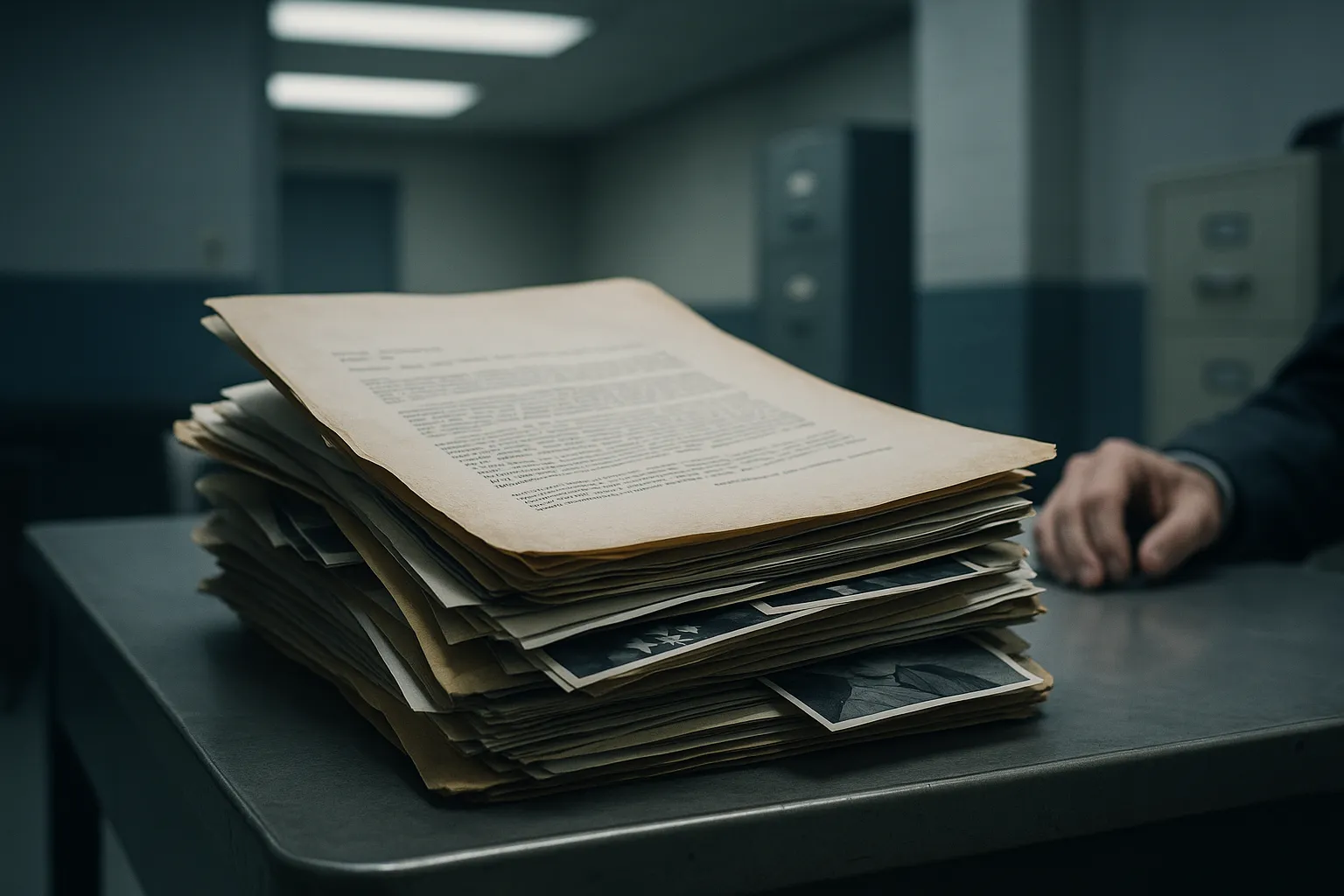
The visit to his father's house on July 13 was the setup. Agents didn't detain Llerandi there; they let the message land that they knew his address, his relatives, and his movements. The following day at the Marianao station, officers opened the file, literally a paper dossier with his name on the cover, and told him he had committed crimes against state security. Then came the detail meant to unsettle him most: they referenced his wife's high risk pregnancy, a fact with no public footprint, the kind of thing gathered only through sustained monitoring of his phone, his neighbors, or people close to him.
CPJ's Américas regional director, Jose Zamora, said authorities must end these threats and allow journalists to do their work without fear of reprisal or imprisonment. The interrogation wasn't tied to one article. It was aimed at the publication's entire body of coverage, which reports on blackouts, food shortages, and repression that state media won't touch. Cuba is not alone in going after reporters: Turkey detained 11 journalists ahead of the NATO summit it hosted.
How Does Cuban State Surveillance Work?
Cuban state security builds dossiers on independent journalists over months or years, then uses intimate personal details as leverage during interrogations to make clear that resistance is futile. The file shown to Llerandi wasn't produced overnight. Knowing about a wife's pregnancy complications requires either a compromised device, informants in the community, or intercepted communications. Cuba's telecom infrastructure runs through the state owned ETECSA, giving security services a direct line into calls and messages without needing sophisticated spyware.
That's a different model than the NSO Group or Paragon style zero click exploits documented elsewhere in the region. Cuba doesn't need to buy commercial spyware when it already owns the network, part of why Gblock's coverage of the IFJ's global survey of surveillance vendors targeting journalists found such a wide range of tactics beyond commercial spyware. This is closer to Cold War era dossier building, cheaper, slower, and just as effective at intimidation.
Why Is Cuba Cracking Down on Independent Newsletters Now?
Cuba is escalating pressure on independent media because outlets like Amanecer Habanero are documenting the island's infrastructure collapse in real time, undercutting the state's narrative during a period of prolonged blackouts and shortages. Cuba's constitution mandates that all media be state owned, so any independent reporting is, by definition, illegal. Newsletters distributed by ICLEP and similar exile networks have become one of the few channels for uncensored accounts of daily life reaching both Cubans and the diaspora.
RSF's reporting on Cuba describes journalists increasingly forced underground, with the country's Social Communication Law used to criminalize routine reporting. ICLEP logged 114 attacks on journalists in January 2026 alone, including 69 arbitrary detentions, a pace that suggests the Llerandi case is not an outlier but part of a sustained campaign. It also echoes a pattern CPJ has tracked elsewhere in the region: a Mexican journalist whose email was hacked and infected with malware earlier this year, another case where state or state linked actors combined digital access with personal intimidation.
What Does This Mean for Journalists Working Under Surveillance?
For journalists in authoritarian environments, the Llerandi case is a reminder that surveillance often precedes intimidation by weeks or months, and operational security has to assume the state already knows more than it lets on. Practical steps that reduce exposure include:
- Separating reporting communications from personal devices used by family members, since agents leveraged knowledge that likely came through a relative's or associate's compromised phone or account.
- Assuming state owned telecom infrastructure is monitored by default in countries like Cuba, and routing sensitive coordination through end to end encrypted channels accessed via VPN rather than SMS or unencrypted calls.
- Documenting interrogations immediately afterward, in writing, and sharing that record with an outside organization such as CPJ or RSF so a pattern of harassment is preserved even if the journalist is later detained.
- Preparing family members for the possibility of being visited or questioned, so the tactic loses some of its shock value as a pressure lever.
None of these steps make a journalist untouchable in a country where the state owns the wires. They do make it harder for security services to isolate a target and easier for outside advocacy groups to respond quickly.
Why Should Journalists and Activists Elsewhere Care?
Llerandi's case matters beyond Cuba because it shows a low cost, low tech intimidation model, dossier plus family visit plus threat, that doesn't require the expensive spyware tools driving most surveillance headlines this year. Any government that controls its telecom infrastructure can replicate it without buying a single exploit. Journalists in Venezuela, Nicaragua, and elsewhere in the region operating under similarly state controlled networks face the same structural exposure, regardless of what device they carry.
Cuba's press freedom crisis rarely leads international headlines the way spyware scandals do, but the underlying threat to reporters is the same: a state that knows enough about your private life to make continuing your work feel personally dangerous. Llerandi has not stopped publishing. Whether Amanecer Habanero can keep operating under this level of pressure is now a test case for every independent outlet still trying to report on Cuba from inside the island.
Sources: Committee to Protect Journalists and Reporters Without Borders.