Jul 19, 2026 · 7 min read
RentGrow's $2.25M FCRA Fine Over Duplicate Tenant Records
The FTC says RentGrow's own systems duplicated eviction and criminal case entries on tenant screening reports, hid a key data source, and closed valid disputes without investigating them.
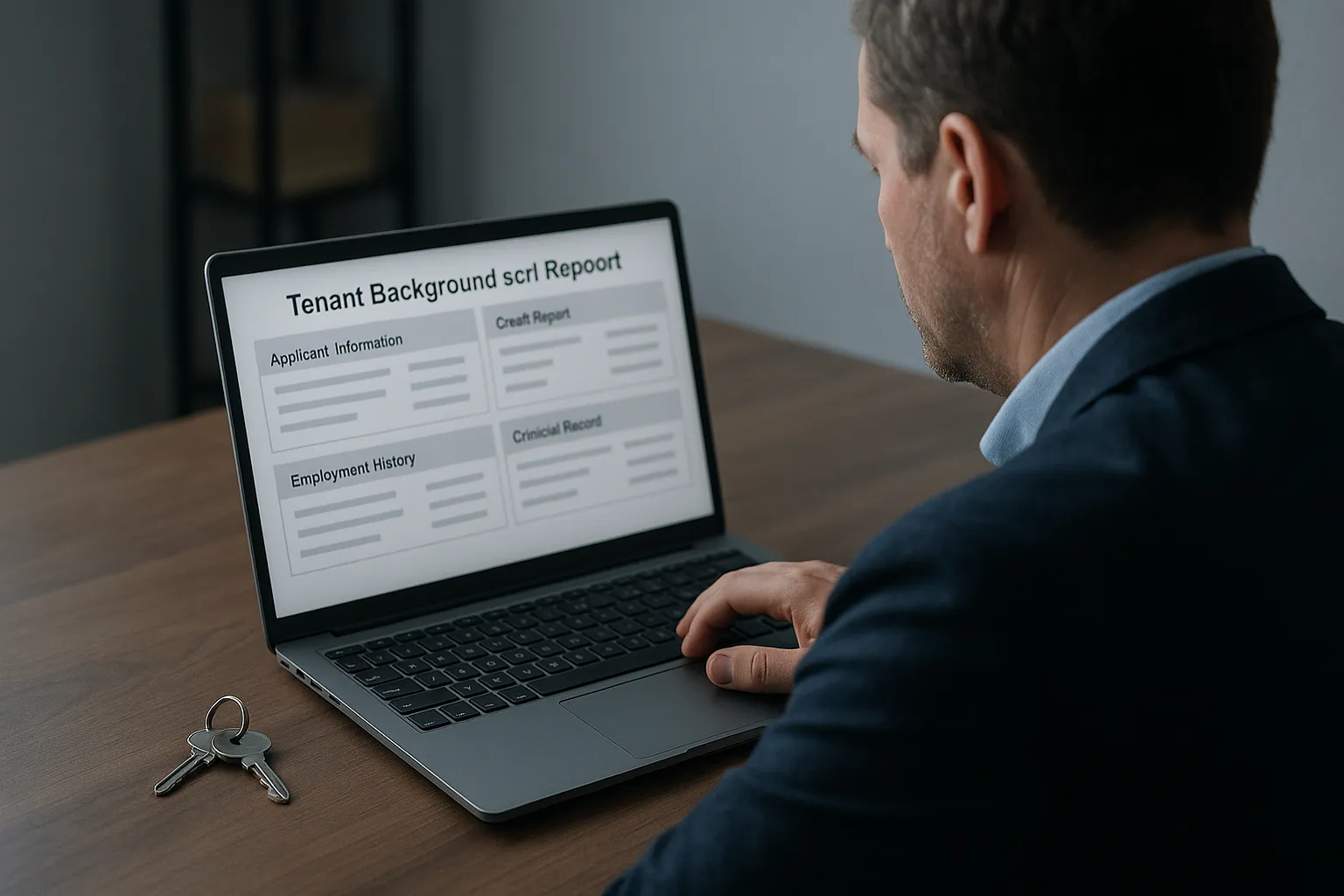
Every rental application that runs through RentGrow's system produces a background report the applicant never sees until a landlord has already used it to decide whether they get the apartment. On July 9, 2026, the Federal Trade Commission announced that RentGrow, Inc. will pay $2.25 million to settle allegations that the tenant screening company violated the Fair Credit Reporting Act (FCRA) and the FTC Act. Regulators say the company's own reporting logic, not just the data feeding it, inflated applicants' criminal and eviction histories, hid a key data source from consumers, and dismissed valid disputes without investigating them.
Key Takeaways
- RentGrow, Inc., a Massachusetts based tenant screening company, will pay $2.25 million to settle FTC allegations that it violated the FCRA and FTC Act, announced July 9, 2026.
- The FTC alleges RentGrow's reporting systems generated duplicate entries for the same criminal or eviction case, making applicants appear to have more convictions or evictions than court records actually show.
- RentGrow allegedly failed to disclose that LexisNexis Accurint supplied historical addresses and middle names used to match consumer records, information the FCRA requires companies to disclose to consumers who request their file.
- The company allegedly labeled legitimate consumer disputes "invalid" and closed them without further investigation, and in some instances told a consumer a correction had reached the landlord while telling the landlord no change had been made.
- The Commission voted 2-0 to refer the case to the Department of Justice, which filed a complaint and a proposed stipulated order in the U.S. District Court for the District of Columbia that still requires court approval.
What Did RentGrow Do Wrong?
RentGrow's core violation was letting inaccurate, inflated background data reach landlords despite the FCRA's specific requirement that consumer reporting agencies follow "reasonable procedures to assure maximum possible accuracy" of the reports they sell. According to the FTC's press release, that failure showed up in three distinct ways: duplicate case entries that inflated an applicant's criminal and eviction history, a failure to disclose a data source consumers are entitled to know about, and a dispute process that closed complaints without genuinely investigating them.
Each of those failures maps to a separate FCRA obligation. Accuracy procedures fall under Section 1681e(b), the duty to disclose all sources in a consumer's file falls under Section 1681g, and the duty to reinvestigate disputes falls under Section 1681i. The FTC's complaint alleges RentGrow fell short on all three, not just one isolated process failure.
How Did Duplicate Records Distort Applicants' Reports?
The same criminal or eviction case could appear more than once on a single RentGrow report, even when the underlying court record RentGrow received was accurate. Reporting from Captain Compliance on the complaint notes the FTC found RentGrow's system, not its vendors, was responsible for the duplication, and that the company allegedly knew the issue existed but did not fix it until regulators intervened. For an applicant with one eviction filing, that meant a report that could read as two or three separate incidents, each one a negative mark a landlord's screening criteria might independently penalize.
RentGrow also failed to tell consumers who requested their own file that LexisNexis Accurint supplied historical address information and middle names used to match records to a person, according to the FTC. That matters because a consumer trying to figure out why a report attributed someone else's criminal history to them needs to know every data source in play, not just the primary court records vendor, to mount an effective dispute.
How Did RentGrow Handle Consumer Disputes?
RentGrow allegedly labeled some legitimate disputes "invalid" and closed them without taking further action, including disputes specifically about duplicate records and disputes concerning changes to a record made after a report had already been prepared and sold. In some cases, per the FTC's allegations covered by Recording Law, RentGrow told a consumer that a landlord had been notified of a correction while separately telling that landlord no change had occurred at all, leaving the inaccurate version in place for the decision that mattered.
A reinvestigation obligation that exists on paper but routes real disputes into an "invalid" bucket without review defeats the purpose of the FCRA's correction mechanism. For a rental applicant, a dispute that goes nowhere can mean losing an apartment over an error they had no way to fix in time.
What Does the Settlement Require Going Forward?
Beyond the $2.25 million civil penalty, the proposed order requires RentGrow to change how it produces, discloses, and disputes tenant screening reports. The Commission voted 2-0 to refer the matter to the Department of Justice, which filed the complaint and a proposed stipulated order in the U.S. District Court for the District of Columbia. Once entered, the order will bind RentGrow to implement reasonable procedures that prevent duplicate case entries, disclose every data source in a consumer's file on request, and genuinely reinvestigate disputes rather than auto rejecting them.
FTC Bureau of Consumer Protection Director Christopher Mufarrige framed the case around the practical stakes for applicants, saying inaccurate background reports affect people's ability to obtain housing or a job, and that companies bear legal responsibility for the accuracy of what they sell. That framing signals the FTC intends the order's compliance requirements to function as an ongoing check, not just a one time payment.
How Does This Fit the FTC's Broader FCRA Enforcement Pattern?
RentGrow is not the first tenant screening company federal regulators have pursued over accuracy failures this decade. In 2023, the FTC and the Consumer Financial Protection Bureau jointly settled with TransUnion Rental Screening Solutions for $15 million over comparable allegations involving inaccurate background checks. The recurrence of duplicate record and dispute handling complaints across multiple large screening vendors suggests the FTC views output accuracy, meaning how a company's own systems display and reconcile data, as being just as much a compliance obligation as sourcing accurate inputs in the first place. RentGrow also lands amid a broader run of 2026 data broker enforcement, including GM's $12.75 million CCPA fine over OnStar driving data sold to insurers and New Jersey's new data broker law, which together suggest companies that compile and resell consumer data face tightening scrutiny regardless of which specific statute applies to them.
Housing access adds urgency that a denied credit card application does not carry in the same way, since an inaccurate report can leave someone without a place to live while a dispute works its way through a company's queue.
What Should Compliance Teams Take Away?
Compliance officers at any company that compiles or resells consumer report data should treat this settlement as a checklist of specific process gaps to audit, not just a reminder that FCRA fines exist.
- Audit report generation logic, not just input data. RentGrow's underlying court data was often accurate; the duplication happened in how the company's own system displayed it. Accurate sources do not guarantee an accurate report.
- Confirm consumer disclosure files list every data source. Specialty databases like Accurint that supply matching information such as addresses or name variants must be disclosed alongside primary record sources when a consumer requests their file.
- Treat every dispute as requiring genuine reinvestigation. A dispute queue that defaults to "invalid" without documented review is itself a violation, independent of whether the underlying report was accurate.
- Keep consumer facing and client facing communications consistent. Telling a consumer a correction went through while telling the landlord nothing changed created a second, distinct violation on top of the original data error.
- Track FTC enforcement patterns beyond your own statute. The Commission's willingness to pursue companies like Jam City over data sold without consent shows the same accuracy and disclosure scrutiny applied to RentGrow extends across data handling practices generally, not just FCRA covered consumer reports.
Looking Ahead
The RentGrow settlement is a reminder that FCRA accuracy obligations extend to the systems processing consumer data, not just the sources feeding them. With the TransUnion Rental Screening case still fresh and this new order pending court approval, tenant screening companies should expect the FTC to keep testing whether reporting, disclosure, and dispute systems actually work the way the FCRA requires, not just the way a privacy policy says they do.