Mar 13, 2026 · 6 min read
Meta's Smart Glasses Are Watching Everyone—Including You
They look like regular sunglasses. They record video, capture audio, and send it all to Meta's servers. Human workers in Kenya review the footage—including intimate moments.
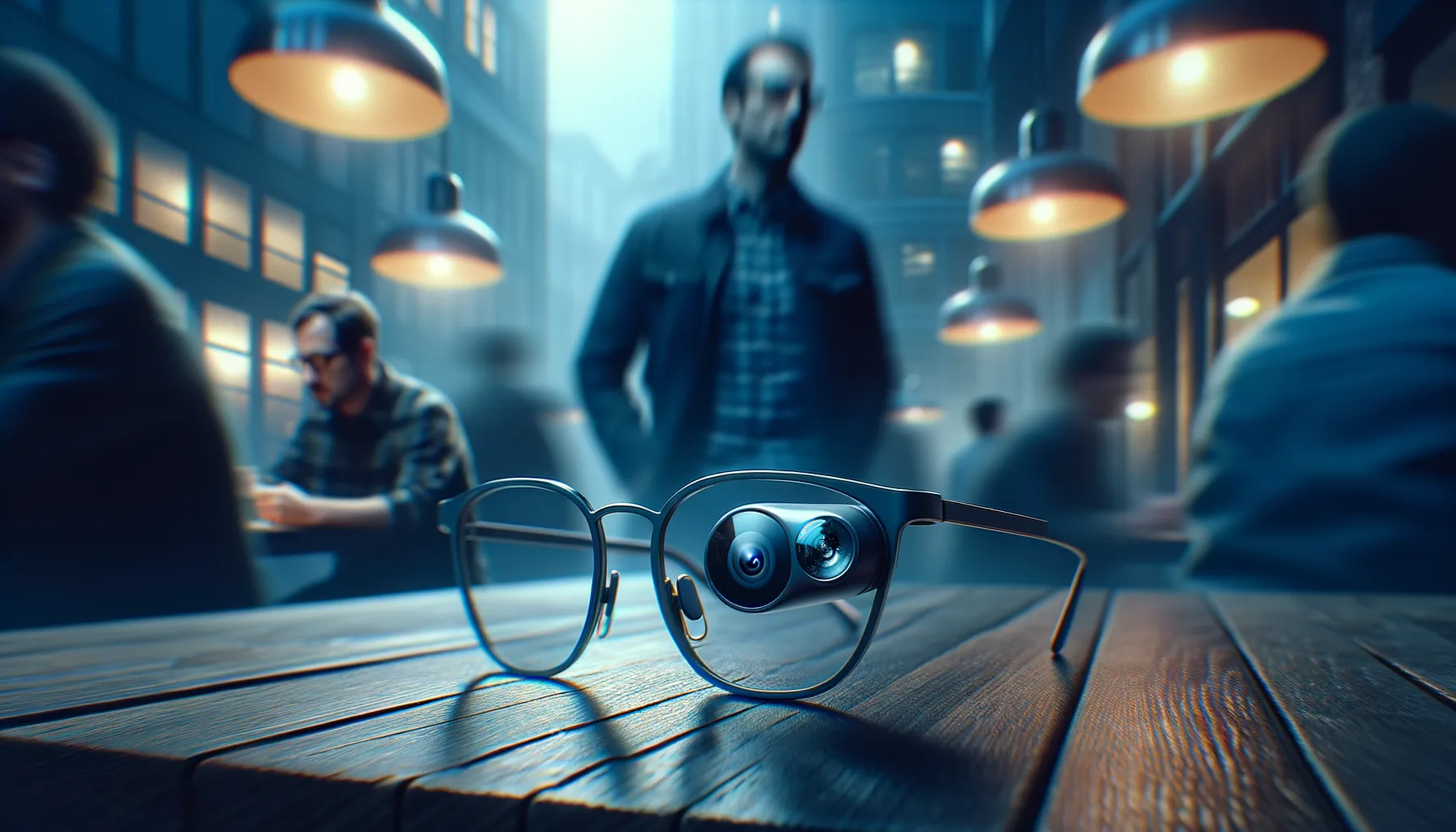
The Camera You Cannot See
Meta's Ray-Ban smart glasses are designed to look indistinguishable from ordinary eyewear. Multiple reviewers have noted that friends and family members did not realize the glasses contained cameras at all. A tiny LED light is supposed to signal when recording is active, but it is small enough to miss—and reports indicate some users have paid third parties to disable it entirely.
This design choice is deliberate. Meta wants smart glasses to go mainstream, and that means making them look normal. But "normal looking" cameras on someone's face create a surveillance dynamic that never existed before. Everyone around the wearer becomes a potential subject without their knowledge or consent.
Human Workers Are Watching Your Footage
A joint investigation by Swedish newspapers Svenska Dagbladet and Goteborgs Posten revealed that footage and audio captured by Meta's Ray-Ban glasses are reviewed by human contractors working in Kenya. The recordings sent for review included people in bathrooms, people undressing, sexual content, bank cards visible in frame, and pornography viewed while wearing the glasses.
Meta says it reviews interactions with its AI systems to improve performance, and acknowledges that "in some cases, Meta will review your interactions with AIs, including the content of your conversations." But the scope of human review goes far beyond what most users expect when they put on a pair of sunglasses.
Data annotators in Kenya told investigators that anonymization does not always work as intended—faces sometimes remain clearly visible in the material they review. Audio recordings from Meta AI conversations are saved by default, with no automatic deletion option available to users.
The Lawsuit
On March 4, 2026, a class action lawsuit was filed in federal court in San Francisco alleging that Meta misled consumers about the privacy protections built into its smart glasses. Plaintiffs claim the company's marketing overstated how securely footage would be handled and understated the extent of human review.
The lawsuit follows a growing number of individual reports. Multiple women have described being secretly filmed by people wearing the glasses in public. One woman recounted being approached on a walk by a man wearing what appeared to be normal sunglasses, only to later discover a video of their conversation had been posted online with nearly a million views.
Facial Recognition Is the Next Step
Two Harvard University students demonstrated that footage from Meta's Ray-Ban glasses could be connected to external facial recognition systems to identify strangers in real time. By linking the glasses' camera feed to publicly available facial recognition databases, they were able to look at someone on the street and instantly pull up their name, address, and social media profiles.
Meta has not officially integrated facial recognition into its glasses, but the EFF warns the company is actively considering it. Internal Meta documents reference plans to launch new features "during a dynamic political environment" when opposition groups face resource constraints—suggesting a deliberate strategy of timing controversial capabilities to minimize pushback.
The Bystander Problem
Even if you never buy Meta's smart glasses, you cannot opt out of being recorded by someone who does. Every person wearing them in a coffee shop, on public transit, or at a social gathering is potentially capturing and uploading video of everyone around them. The footage flows to Meta's servers, where it may be reviewed by human workers, used to train AI models, and stored indefinitely.
This creates a fundamentally new privacy challenge. With smartphones, the act of recording is visible—someone has to hold up their phone and point it at you. Smart glasses remove that social signal entirely. The recording indicator is invisible at conversational distance, and the wearer's behavior gives nothing away.
What You Can Do
If you own Meta Ray-Ban glasses, the EFF recommends these immediate steps:
- Disable "Cloud media" sharing in the privacy settings to prevent footage from being uploaded to Meta's servers
- Limit recording to specific situations rather than using them as always on cameras
- Blur strangers' faces before uploading any video content publicly
- Review and delete audio recordings from Meta AI conversations regularly
- Respect posted policies in businesses and venues that prohibit recording devices
If you do not own them, be aware that anyone wearing Ray-Ban style glasses near you could be recording. It is a privacy reality that is only going to get more common as wearable cameras become cheaper and more discreet.