Jul 19, 2026 · 5 min read
Meta's Muse Image Used Your Instagram Photos by Default
Meta launched its Muse Image AI generator on Instagram on July 7, 2026, automatically enrolling every public adult account. CAA and SAG-AFTRA forced a suspension within days, but the same model still runs on WhatsApp and the Meta AI app.
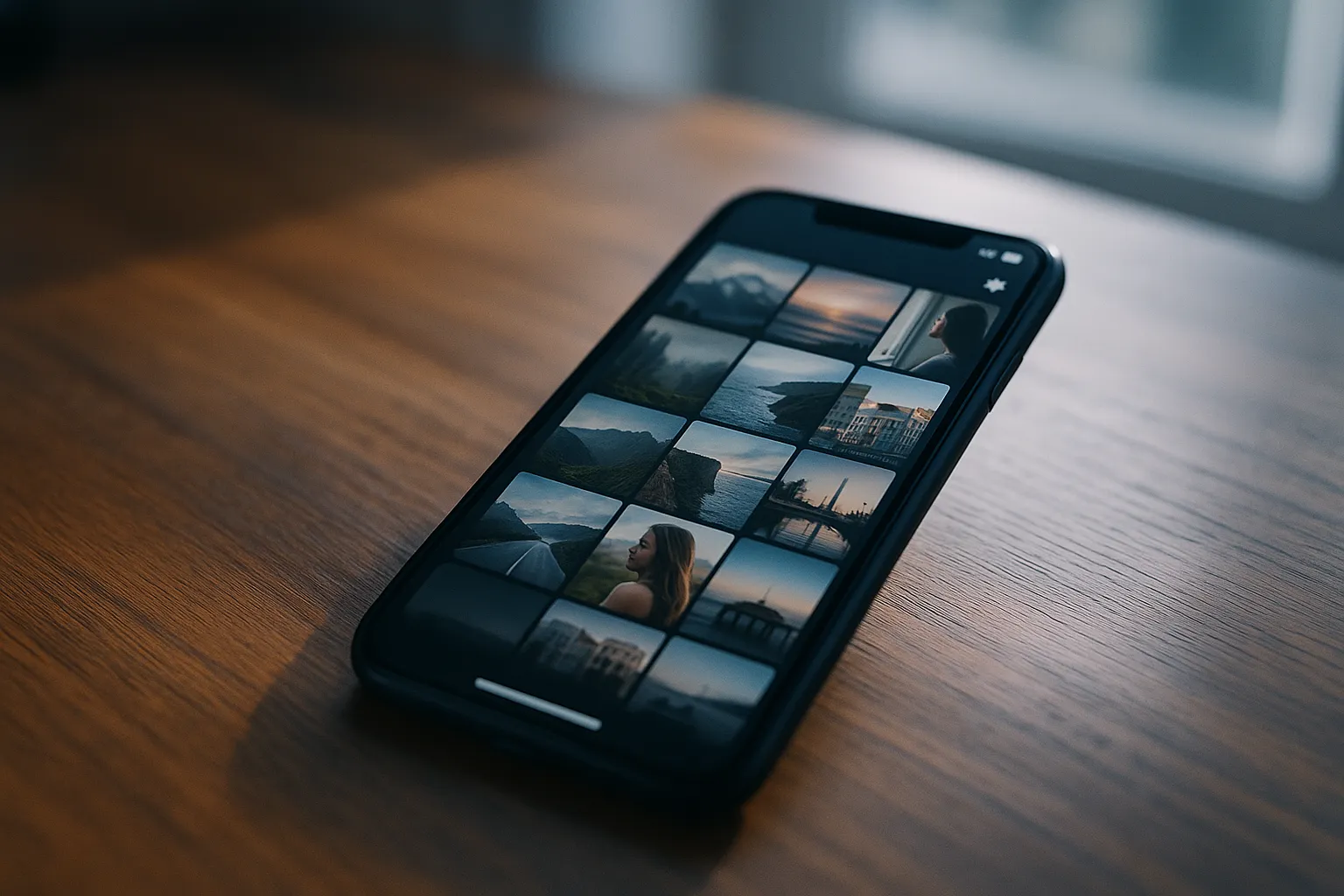
On July 7, 2026, Meta rolled a feature into Instagram that let any user type an @ mention of another public account and have its AI, Muse Image, generate new pictures based on that person's photos. No message. No request. No click to accept. If your Instagram account was public and you were over 18, you were automatically enrolled the moment the feature shipped, and the only way out was to find a settings toggle you were never told existed.
Key Takeaways
- Meta launched Muse Image on Instagram on July 7, 2026, letting any user @ mention a public account to generate AI images based on that person's photos, with inclusion set as the default for adults with public profiles.
- Talent agency CAA and the union SAG-AFTRA publicly condemned the opt out design within days, with CAA stating "no one's name, image, likeness, voice or creative work should be used by any third party, including AI models, without clear, documented consent."
- Meta suspended the Instagram implementation of Muse Image around July 13, 2026, saying "we heard the feedback that this feature missed the mark, so it's no longer available."
- Opting out only blocks future use of your photos. It does not remove AI images already generated from your account, and you are never notified when someone uses your likeness.
- The underlying Muse Image model was not shut down. It remains active in the standalone Meta AI app and inside WhatsApp, so the opt out setting still matters even after the Instagram rollback.
How Did Meta's Muse Image Feature Work?
Muse Image let any Instagram user generate AI pictures by referencing someone else's public account, and that person's photos were fair game unless they had already opted out. The tool worked like a prompt box: type a request, tag a public account with an @ mention, and Muse Image would pull from that account's visible photos to produce a new AI image, styled however the requester described it. It shipped as part of Meta AI's broader push into Instagram, alongside Muse's video generation tools, and it treated a public profile the same way it treated an open training set.
The default was the entire controversy. Per Meta's own policy, any user 18 or older with a public Instagram account was automatically included in Muse Image's source pool. Being featured was not something you agreed to, it was something you had to actively decline, using a toggle buried three menus deep in settings that most people never opened. Minors and private accounts were excluded by default, but a public account, the kind millions of creators, small businesses, and everyday users keep for visibility, was in unless proven otherwise.
Why Did Meta Suspend It?
Meta suspended the feature because organized pressure from the entertainment industry turned a design complaint into a reputational problem within days. CAA was first out, telling Meta directly that using someone's name, image, likeness, or creative work without documented consent was unacceptable, AI model or not, according to Variety. SAG-AFTRA followed by urging its members to opt out immediately, framing it as a direct threat to actors' and performers' control over their own likeness, per Deadline. Coverage tracked the story moving from a policy critique to industry wide backlash in under a week.
By July 13, Meta pulled the Instagram implementation and issued a short statement acknowledging the feature "missed the mark," as reported by Variety. CAA responded by commending the reversal, calling it evidence that public pressure could still move a company that had, by default, treated non consent as a starting position. Notably, Meta did not concede the underlying premise was wrong, only that the specific rollout was, as Breitbart noted in its coverage of the suspension.
What Should You Actually Do About It?
The opt out setting still matters, because Muse Image never went away, it just stopped running on Instagram. To turn it off, open Instagram, tap your profile, open the three line menu, go to Settings and activity, scroll to Sharing and reuse, and disable "Allow people to use your content on Instagram and with AI features on Meta." Depending on your app version, you may need to toggle separate switches for posts, Reels, and original audio individually rather than one master switch, according to guidance from Malwarebytes.
Two limitations are worth knowing before you assume the setting protects you retroactively. First, opting out only prevents future generations, it does nothing to remove or recall images already created from your account while you were enrolled by default. Second, Meta gives account owners no notification when someone uses their likeness to generate an image, so there is no dashboard or alert to check for past activity. The only real control is turning the setting off before more images get made.
Why This Matters Beyond One Feature
The pattern here is not unique to Muse Image. Consent by default is a recurring design choice at Meta: ship a feature that uses your data or likeness, make participation the default state, and let backlash, not user request, determine whether the policy survives. That approach shifts the burden from the company, which built and profits from the feature, to the individual, who has to discover a setting exists before they can decline it. It is the same dynamic behind Meta's earlier decision to remove its off platform tracking opt out, and it echoes how the company spent years promising Instagram end to end encryption before quietly removing it and blaming users for not opting in to a feature that was never on by default.
For privacy researchers, the episode is a useful case study in how quickly an opt out AI feature involving personal likeness can generate coordinated institutional pushback, from talent agencies to unions, well before regulators weigh in. Readers who want more background on how Meta has handled other default settings can also review how the company's infinite scroll design was found to break EU law earlier in 2026.
Looking Ahead
For everyday users, the practical takeaway is simpler and less comforting: a feature can be suspended on one surface while the exact same model keeps running elsewhere. Muse Image is gone from Instagram's @ mention flow, but it is still live inside the Meta AI app and WhatsApp, still generating images from whatever settings you have left switched on. Checking that toggle once, rather than assuming Meta's reversal covers you everywhere, is still worth the two minutes it takes.