Nov 13, 2026 · 7 min read
Maersk Breach: WhiteArmor Hits Legacy LF Logistics System
Maersk says an intruder reached a legacy system it inherited through an acquisition and pulled data out. The WhiteArmor extortion group says that system is the OCF/LF Logistics platform, claims about 100 GB, and has given the shipping giant 30 days to pay $5 million in bitcoin.
Maersk runs about 700 container ships, 60 terminals and a workforce of roughly 100,000 people. None of that was the way in. According to the company, the attacker came through a single older system that Maersk did not build, one it picked up when it bought another business. Over the weekend of November 8 and 9, 2026, a little known group called WhiteArmor posted Maersk on its leak site. On November 11 Maersk confirmed the incident, as BleepingComputer reported. The breach is small by Maersk standards. The lesson about inherited infrastructure is not.
Key Takeaways
- Maersk confirmed on November 11, 2026 that an unauthorized party accessed a legacy system inherited through a previous acquisition and extracted data.
- WhiteArmor claims about 100 GB from the OCF/LF Logistics platform and demands USD 5,000,000 in bitcoin within 30 days.
- LF Logistics, the platform's original developer, was bought by Maersk from the Li & Fung Group in 2022.
- The group's claimed haul includes nearly 30,000 driver records, plaintext passwords and 27,842 mobile device logs containing phone numbers, emails and IMEI numbers.
- Maersk says initial findings show no sensitive data was disclosed and no impact on other Maersk or customer systems; none of WhiteArmor's claims has been independently verified.
What Did Maersk Actually Confirm?
Maersk confirmed that someone gained unauthorized access to a "legacy system inherited through a previous acquisition" and extracted data from it, according to Smart Maritime Network. The company says its cyber security team opened a full investigation and secured the affected system.
The rest of the statement is about containment. Maersk says the incident appears limited to that local legacy system, with no evidence of impact on its wider IT infrastructure or on customer and partner systems connected through APIs and EDI. It does not expect disruption to operations, and customers can keep booking and managing shipments as usual. Its current evidence, in its own words, indicates "no sensitive data has been disclosed."
Maersk did not name the acquired company, the system, the data types or the date of the intrusion. It said it would notify customers "as more relevant information becomes available," and it told customers to treat unexpected messages about the incident with caution and verify them through their usual Maersk contact. That last line matters most to anyone with an inbox, and we come back to it below.
What Does WhiteArmor Claim It Stole?
WhiteArmor claims roughly 100 GB of data from Maersk's OCF/LF Logistics platform, and its post describes the target as "your contract-logistics arm, the former LF Logistics." The list it published, as summarized by BleepingComputer, includes:
- Nearly 30,000 driver records
- Plaintext passwords (no count given)
- 33 SUPER_ADMIN accounts
- Signed delivery receipts
- Inventory rows with purchase orders and Advance Shipping Notices
- 27,842 mobile device logs with phone numbers, emails and IMEI numbers
The ransom note reads: "You have 30 days to contact us and pay USD 5,000,000 in bitcoin." The group also taunted that "Five million dollars is roughly four hours of that EBITDA," a line aimed at Maersk's board rather than its security team.
Treat all of this as a claim. Maersk has not linked the incident to WhiteArmor or to LF Logistics by name; the connection comes from the timing and from the acquisition history. The $5 million figure from earlier coverage does check out, but only as WhiteArmor's demand, not as anything Maersk acknowledged.
Why Are Acquired Legacy Systems Such an Easy Target?
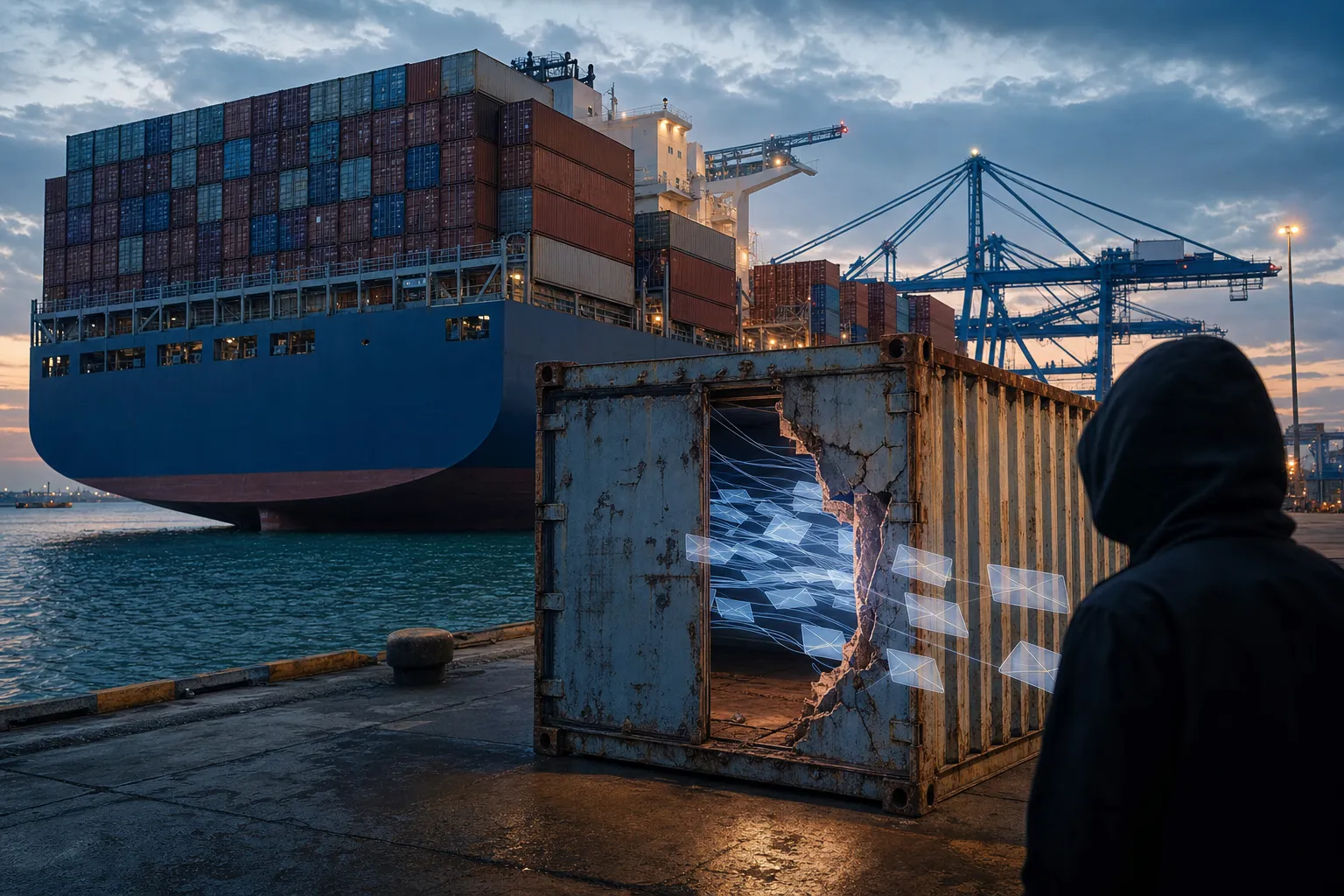
Acquired systems are easy targets because they arrive with someone else's security decisions baked in, and integration teams rarely get the budget to rebuild them. Maersk bought LF Logistics from the Li & Fung Group in 2022, according to Smart Maritime Network. Four years on, if WhiteArmor's list is accurate, the platform still stored passwords in plaintext and carried 33 accounts with the highest privilege level. Neither of those would pass a modern security review.
Here is the contrarian read. Maersk's statement is, in one sense, good news for Maersk: the company says the blast radius stopped at the legacy system. Segmentation appears to have worked. But segmentation that protects headquarters does nothing for the truck drivers and warehouse staff whose details sat inside the segment. "Isolated to a local system" and "no sensitive data" are two different claims, and only the first one is about Maersk's network.
NIST's guidance on cybersecurity supply chain risk management, SP 800-161r1, frames acquired products and suppliers as risks to assess across their whole life, not at the moment of purchase. For compliance teams, the Maersk case is a clean example of why the inventory of inherited systems belongs in that assessment. Practical checks after any acquisition:
- List every system the acquired company runs that faces the internet, and give each an owner on your side.
- Audit how credentials are stored; any plaintext password store is a priority fix, not a backlog item.
- Count admin and super admin accounts, then cut them to the minimum and enforce phishing resistant MFA.
- Decide a retirement date for every legacy platform, and hold to it.
Has Maersk Been Hit Like This Before?
Yes. In 2017 the NotPetya malware forced Maersk to rebuild more than 4,000 servers and 45,000 workstations, left it running without IT for ten days, and cost it up to $300 million, as BleepingComputer recounts. NotPetya was a destructive worm that hit Maersk's core network. This incident is the opposite shape: a quiet data theft on the edge of the estate, followed by an extortion note.
The comparison is useful. After 2017, Maersk invested heavily in rebuilding its core. The 2026 breach suggests the attack surface simply moved outward, to the systems that came in through deals rather than through the main IT program. A $54 billion revenue company can harden its center and still own a four year old logistics platform that nobody fully modernized.
Why Email Users Should Care
Email users should care because the claimed data includes emails and phone numbers tied to real shipments, which is exactly what makes a delivery phishing message convincing. WhiteArmor lists 27,842 mobile device logs with phone numbers and emails, plus purchase orders, Advance Shipping Notices and signed delivery receipts. A scammer holding a genuine order number and a driver's real name does not need to guess. If even part of this data leaks, expect messages that reference true details.
Maersk's own warning points the same way: verify unexpected communications about the incident through your usual Maersk contact. Shipping notices are already among the most copied lures, because people expect them and act fast on them. We covered how attackers abuse real platforms in DocuSign phishing leads as 1 in 10 threat emails use real platforms, and the same playbook fits logistics. Third party breaches tend to follow this pattern, as with the Baker Tilly vendor breach, where the data came from a supplier rather than the brand people actually knew.
Steps worth taking now if you ship with Maersk or worked with LF Logistics:
- Do not act on payment change requests, customs fee demands or "update your delivery details" links in email or SMS. Call your known Maersk or forwarder contact.
- Check the sender's actual domain, not the display name, before opening attachments labeled as invoices or bills of lading.
- If you had an account on an LF Logistics platform, change that password and any place you reused it.
- Report suspicious messages following CISA guidance on recognizing and reporting phishing, and alert your finance team so it pauses unusual payment changes.
What Happens Next?
The next marker is WhiteArmor's 30 day deadline, which runs to roughly the second week of December 2026 counting from the weekend post. Extortion groups often publish samples before a deadline to pressure victims, so watch for a partial dump. Maersk has said it will notify affected parties if its findings require it; under GDPR, a breach involving personal data such as driver records could trigger regulator and individual notifications, depending on what the investigation confirms.
For security teams elsewhere, the takeaway is simpler than the headlines. The initial BleepingComputer report makes clear Maersk's core held. The weak point was a platform bought, connected and never fully retired. Every company that grows by acquisition has one of those. The question is whether you find it before a group like WhiteArmor does.