Feb 10, 2026 · 5 min read
ICE Wants to Buy Your Location Data From Ad Tech Companies
A federal RFI reveals ICE is exploring commercial ad tech data for immigration enforcement, turning the same infrastructure that serves you targeted ads into a surveillance tool.
The Request
On January 23, 2026, U.S. Immigration and Customs Enforcement published a Request for Information seeking to understand what data advertising and technology firms can provide to federal investigators. The RFI specifically asks about "Ad Tech compliant and location data services available to federal investigative and operational entities."
This is not the first time ICE has gone shopping in the commercial data market. In October 2025, the agency issued a separate RFI for contractors to provide open source intelligence and social media monitoring to its Enforcement and Removal Operations Targeting Division. That solicitation stated that "enforcement actions undertaken without open source intelligence and social media info often fail."
How Ad Tech Becomes Surveillance Tech
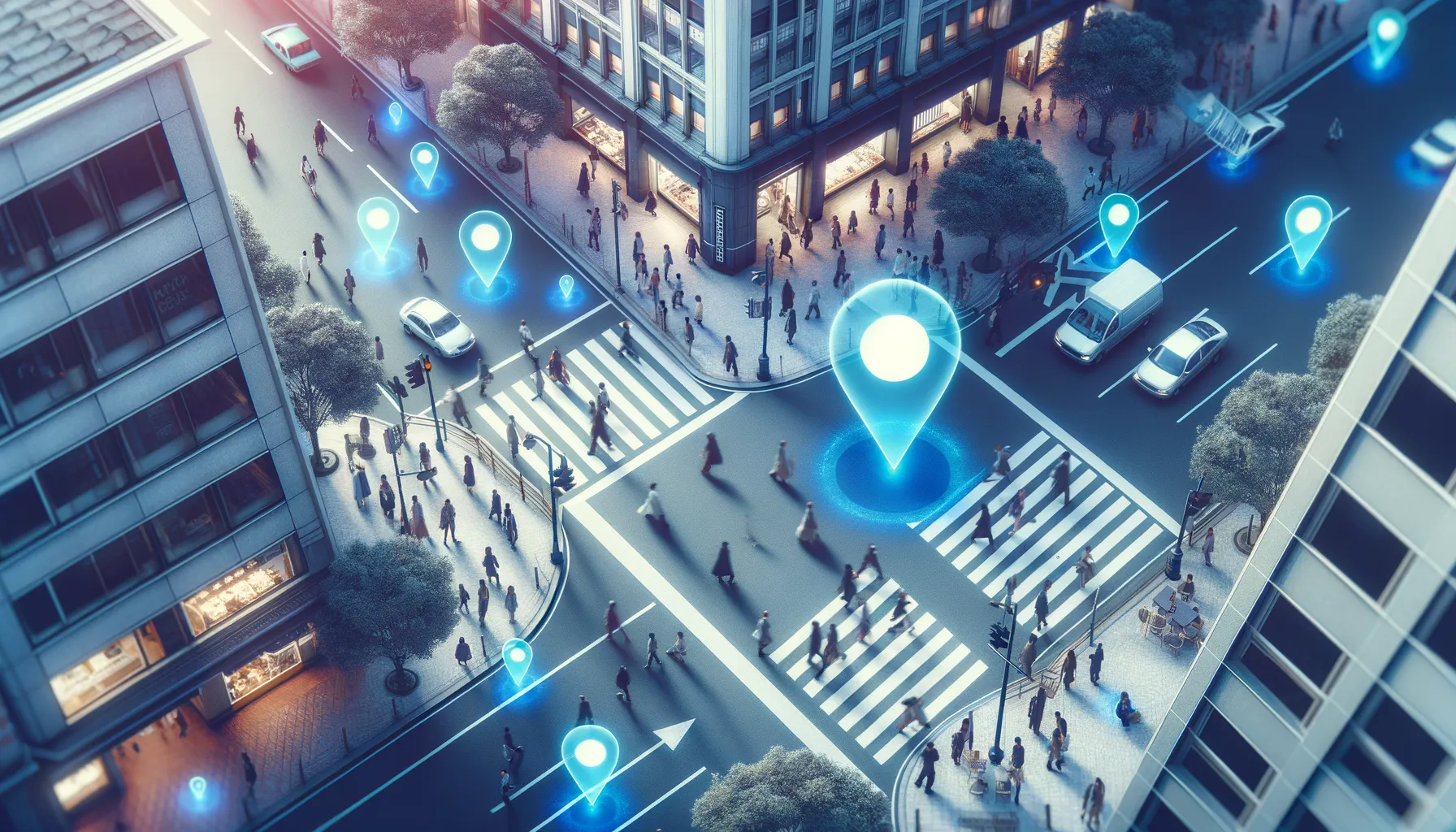
The advertising technology ecosystem collects vast amounts of personal data. Every time you use an app that shows ads, your device broadcasts a bid request to advertising exchanges. That request can include your precise GPS coordinates, device identifiers, browsing history, and app usage patterns. Data brokers aggregate this information and sell it to anyone willing to pay.
Dave Maass from the Electronic Frontier Foundation explained that ICE is conducting "market research into the spectrum of data" available from these vendors. Potential sources include location data brokers like Venntel and investigation platforms such as Thomson Reuters and TransUnion's TLOxp. This data can reveal "intimate details about people's lives, including visits to medical facilities and places of worship."
Buying What Would Otherwise Require a Warrant
Tom Bowman from the Center for Democracy & Technology argued that ICE is attempting to "rebrand surveillance as a commercial transaction." The core issue is constitutional: the Fourth Amendment protects against unreasonable searches, and the Supreme Court ruled in Carpenter v. United States that the government generally needs a warrant to access location data.
But when agencies purchase commercially available data instead of compelling carriers to hand it over, they argue the warrant requirement does not apply. Bowman cautioned that "administrative convenience has never been a valid excuse for bypassing civil liberties" and that "ad tech compliance regimes were never designed to protect people from government surveillance."
Legislation like the Fourth Amendment Is Not For Sale Act would close this loophole by prohibiting government agencies from purchasing data they would otherwise need a warrant to obtain. The bill has been introduced in Congress multiple times but has not yet passed.
The Surveillance Pipeline
ICE already maintains contracts with Palantir's Gotham platform and has purchased Penlink's Webloc subscription, which enables agents to geofence areas and track all phones within them. The agency's broader surveillance technology budget has ballooned to $28.7 billion, according to reporting by the Washington Post.
The ad tech RFI represents an expansion of this surveillance pipeline. Rather than relying on a single data source, the agency is assembling a mosaic of commercially available data that, when combined, provides comprehensive tracking capabilities without any single source triggering legal protections.
Your Data, Their Tool
The same data collection infrastructure that serves you personalized advertisements is being repurposed for government surveillance. Every app that collects location data, every website that drops tracking cookies, every email that includes a tracking pixel contributes to a data ecosystem that is now available to federal agencies as a commercial product.
The distinction between advertising and surveillance has always been thin. Both depend on the same underlying capability: tracking where people go, what they do, and who they communicate with. The difference is what happens with the information afterward. When an ad tech company collects your location data, it shows you ads. When a federal agency buys that same data, it can use it to find and detain people.
Until Congress passes legislation to restrict government purchases of commercial data, the only effective defense is reducing the amount of data that enters the pipeline in the first place. The FBI's own advisory on Chinese developed apps collecting data even when permissions are off shows that the threat extends beyond domestic ad tech to foreign state actors who can legally compel access to everything their apps collect.