Jan 28, 2026 · 5 min read
Google Agrees to Pay $68 Million for Recording Your Private Conversations
A class action lawsuit reveals that Google Assistant was secretly capturing and storing conversations even when users never said the wake word.
What Happened
Google has agreed to pay $68 million to settle a class action lawsuit alleging that its voice assistant illegally recorded and shared users' private conversations without consent. The preliminary settlement, filed in San Jose federal court, covers anyone who purchased Google devices or experienced unwanted voice activations dating back to May 2016.
The lawsuit accused Google of "unlawful and intentional interception and recording of individuals' confidential communications" and subsequently "unauthorized disclosure of those communications to third parties." In practical terms: Google Assistant was listening when it shouldn't have been, and that data went somewhere users never agreed to.
The Problem of False Accepts
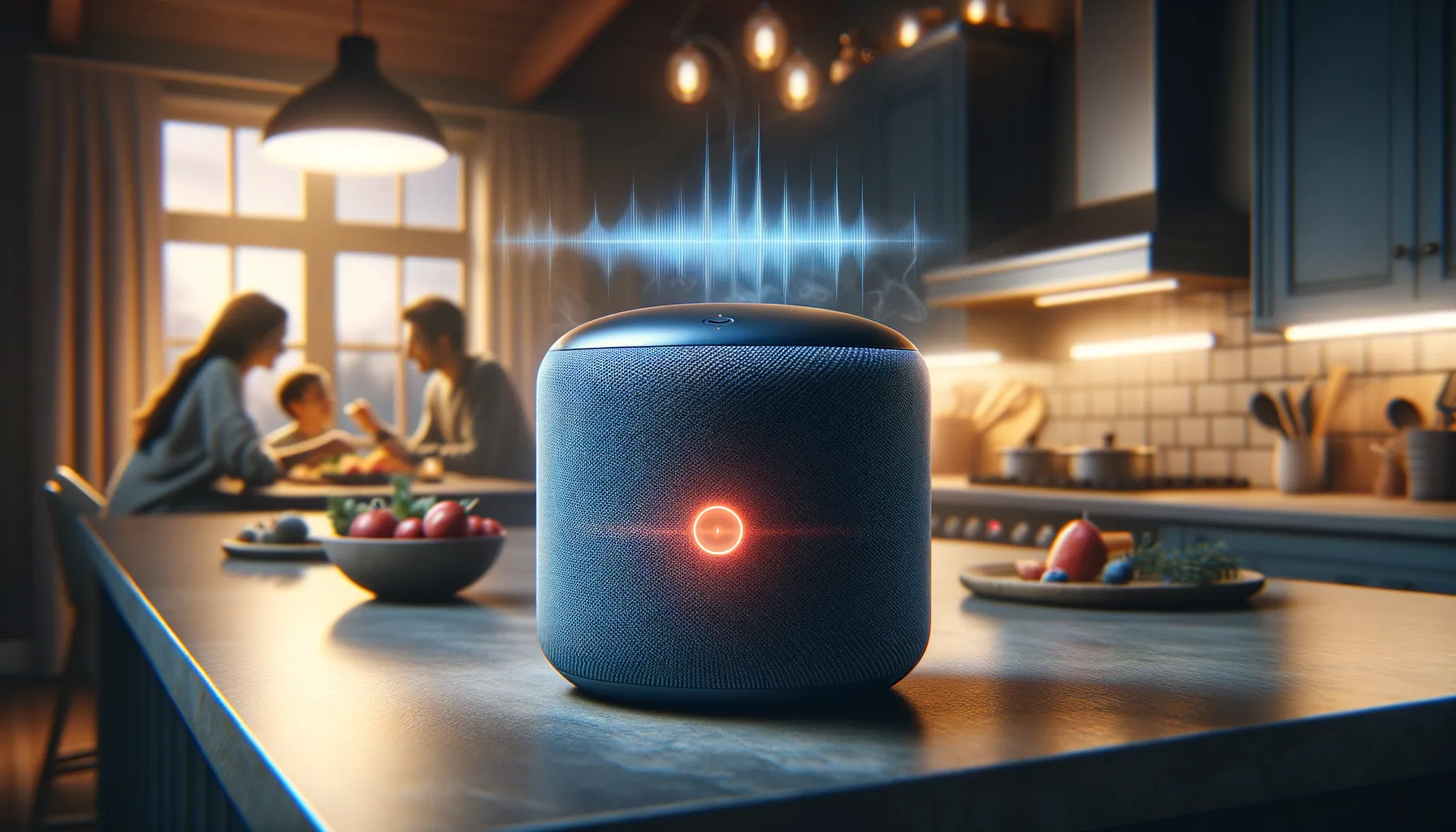
Google Assistant is designed to activate only when it hears specific wake words like "Hey Google" or "OK Google." But the technology isn't perfect. When the device mishears something as a wake word and starts recording, that's called a "false accept."
The lawsuit documented cases where users received targeted advertisements related to private conversations they'd had near their devices, conversations where no one said "Hey Google." The implication was clear: the assistant was capturing audio it had no business capturing, and that audio was being used to serve ads.
A 2019 report by Dutch broadcaster VRT first exposed the scope of the problem. They revealed that Google contractors were listening to audio recordings from Google Home devices, including recordings of private moments that users never intended to share.
What the Settlement Means
The $68 million will be distributed among eligible claimants, though individual payouts will likely be modest once legal fees are deducted. Plaintiffs' attorneys may claim up to one third of the settlement, around $22 million, for legal fees and costs.
Google did not acknowledge any wrongdoing as part of the settlement. The company stated it chose to settle to avoid "the uncertainty, risk, expense, inconvenience and distraction" of continued litigation. The settlement still requires approval from U.S. District Judge Beth Labson Freeman.
This follows a pattern. Apple reached a similar $95 million settlement in December 2024 over its Siri voice assistant, which faced nearly identical allegations of unauthorized recording and third party disclosure.
Who Is Eligible
The settlement class includes individuals in the United States who:
- Purchased Google devices with Google Assistant functionality since May 2016
- Experienced false activations where the device recorded without a proper wake word
- Had their recordings processed or shared by Google
Given the millions of Google Home, Nest, and Android devices sold over the past decade, the eligible class is substantial. However, the per person payout will depend on how many people file claims.
The Bigger Privacy Question
This settlement highlights a fundamental tension in voice assistant technology. These devices are designed to be always listening for their wake words. That means microphones are constantly active, processing audio to detect when you're talking to them.
The question isn't whether these devices can hear you. They can. The question is what happens to the audio they capture, and whether users have any meaningful control over it.
Current privacy settings in Google devices allow users to:
- Delete voice recordings through the Google Home app or activity controls
- Disable voice history storage (though this may limit functionality)
- Physically mute the microphone using the device's hardware switch
But these options require users to actively opt out of data collection, rather than requiring Google to obtain meaningful consent before collection begins.
What You Should Do
If you own Google devices with voice assistant functionality, consider reviewing your privacy settings:
Check your voice activity history. Visit your Google Account's Activity Controls to see what audio has been recorded and stored. You may be surprised by what's there.
Delete existing recordings. You can remove stored voice data through the same Activity Controls panel. Google also offers auto delete options for data older than 3 or 18 months.
Use the physical mute switch. When you don't need voice control, muting the microphone at the hardware level is the only way to ensure the device isn't listening.
Watch for settlement notices. If you're eligible for compensation, you'll need to file a claim when the process opens. Keep an eye on official communications from the settlement administrator.
The Cost of Convenience
Voice assistants offer genuine convenience. Hands free timers, smart home controls, quick answers to questions. But that convenience comes with a surveillance infrastructure that's always on, always listening, and, as this lawsuit demonstrates, not always working as intended.
$68 million is a significant sum, but it represents a fraction of the revenue Google generates from advertising, the same advertising that allegedly benefited from these unauthorized recordings. For users, the settlement is a reminder that every always on device in your home is a potential privacy risk.
The technology isn't going away. The question is whether you trust the companies behind it to handle your private moments responsibly, and what you're willing to do when that trust is broken.