Feb 14, 2026 · 5 min read
The FBI Recovered Google Nest Camera Footage the Owner Thought Was Deleted
When the FBI needed video from a Nest camera that appeared disconnected and had no active subscription, they found it anyway. The footage was sitting on Google's backend servers as "residual data."
What Happened
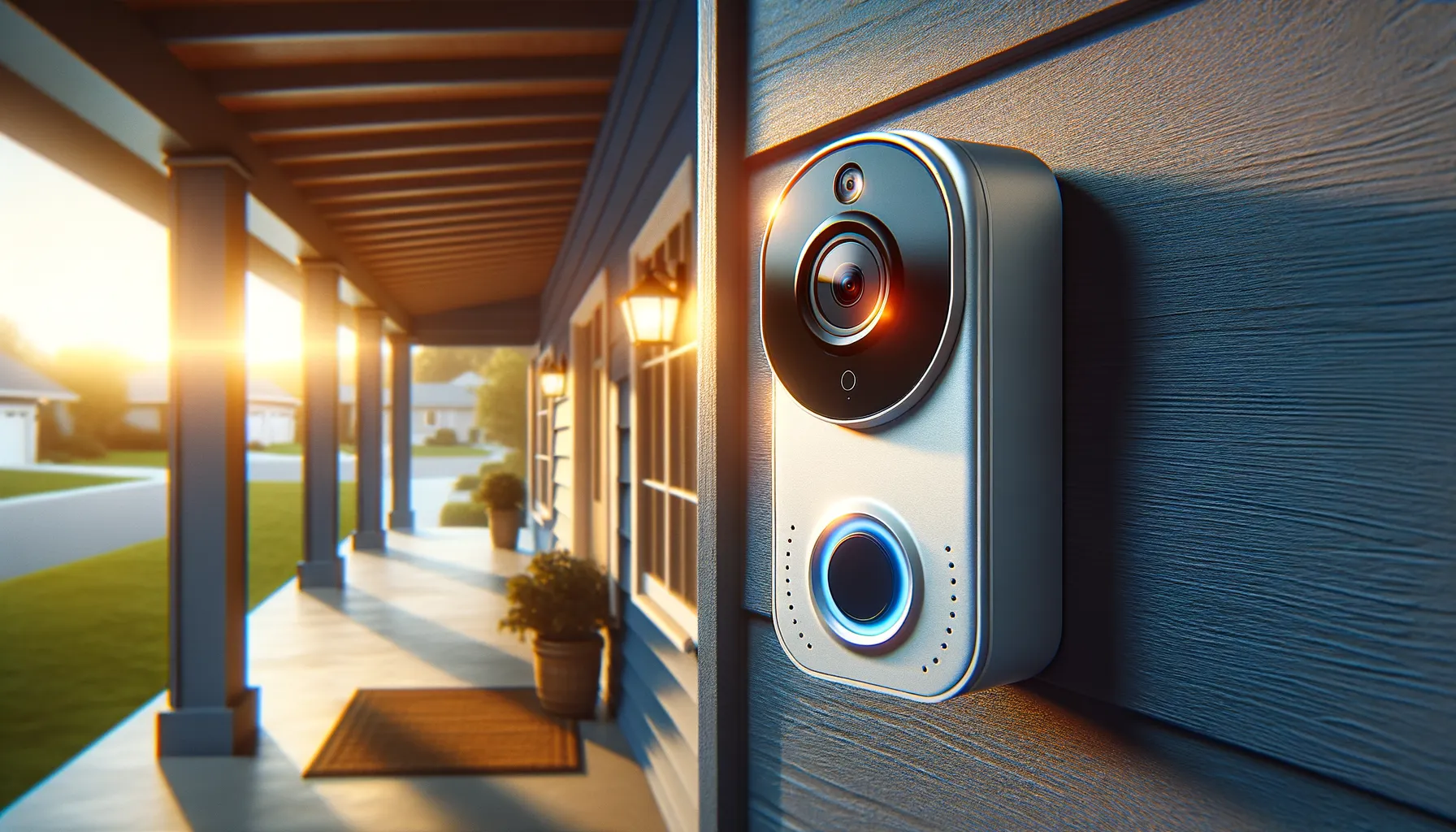
On February 10, 2026, Nancy Guthrie disappeared from her home near Tucson, Arizona. Her Google Nest doorbell camera appeared to be disconnected, and she did not have an active Nest Aware subscription. Law enforcement initially believed the footage was lost.
They were wrong. FBI Director Kash Patel revealed that investigators spent days retrieving video from what he called "residual data located in backend systems." The footage, showing an armed, masked person at Guthrie's doorstep, was publicly released on February 11.
Google did not respond to questions about how footage was captured while the camera appeared disconnected, or how it was extracted from servers without an active subscription.
"Residual Data" Is the Quiet Part
The phrase "residual data located in backend systems" reveals something most smart camera owners do not realize: your video footage may continue to exist on company servers long after you think it has been deleted or your subscription has lapsed.
Google's own privacy documentation contains a revealing statement: "That means you may not see a visual indicator when your camera is sending the video footage to our servers." In other words, your camera can record and transmit video to Google's cloud even when you believe it is off or disconnected.
Unless users subscribe to expedited review services, Google routinely deletes footage rather than retaining it indefinitely. But the Guthrie case proves that "routinely deletes" is not the same as "immediately and permanently destroys." If law enforcement requests data before Google's deletion process completes, the footage can still be recovered.
No Warrant Required
Michelle Dahl, executive director at the Surveillance Technology Oversight Project, raised an alarm that extends well beyond this single case: some user agreements grant companies like Google ownership of collected data, allowing them to share footage with law enforcement without a warrant or user notification.
"We should absolutely be alarmed over the privacy implications that are at stake with this video that was recovered by the Nest camera," Dahl said.
The legal framework around smart home data is thin. The Fourth Amendment protects against unreasonable government searches, but courts have been inconsistent about whether data voluntarily shared with a third party, like Google, retains that protection. When you install a Nest camera and agree to Google's terms of service, you may be giving up more control over your data than you realize.
The Ring Connection
The Guthrie case landed in the same week as Amazon Ring's Super Bowl controversy. Ring's new AI powered "Search Party" feature, designed to locate lost pets by scanning neighborhood cameras, drew immediate backlash from privacy advocates who saw it as a surveillance expansion dressed up as a pet finder.
The Electronic Frontier Foundation called Ring cameras "the largest civilian surveillance panopticon in U.S. history." Amazon subsequently canceled its partnership with Flock Safety, a company whose license plate reader network is used by police and ICE.
Together, these stories paint a picture of consumer surveillance infrastructure that has outpaced the legal protections meant to govern it. Cameras marketed as home security tools double as data collection points that can be accessed by law enforcement, sometimes without the homeowner's knowledge.
The Broader Pattern
Smart cameras are just one node in a growing network of consumer devices that collect, transmit, and retain data beyond what users expect. Smart TVs take screenshots of what you watch. Smart speakers record audio snippets. Email tracking pixels report when, where, and on what device you read a message. In each case, the data flows to company servers where retention policies are opaque and deletion is not always permanent.
The common thread is a gap between user expectations and actual data practices. Most people assume that turning off a camera stops recording, that deleting an email removes it entirely, or that closing a browser tab ends tracking. The Guthrie case is a concrete example of that assumption being wrong.
How to Protect Yourself
If you use smart cameras, Dahl recommends exploring alternatives where data is stored locally rather than transmitted to cloud servers. For smart home devices generally, reviewing and restricting data sharing permissions in device settings can limit what gets uploaded.
For your inbox, the same principle applies. Marketing emails routinely contain invisible tracking pixels that report your location, device, and reading habits back to the sender's servers. Unlike a Nest camera, you never chose to install them. Tools like Gblock block these spy pixels in Gmail before they fire, keeping your reading behavior private.
The FBI's recovery of "deleted" Nest footage is a reminder: if your data reaches a company's servers, you are no longer the only one who decides what happens to it.