Jan 18, 2026 · 5 min read
Your Brain Waves Are Now Protected Data—But Only in One State
Connecticut just classified neural data as sensitive personal information. As brain sensing wearables go mainstream, your thoughts may be the next privacy battleground.
The meditation app on your phone already tracks your heart rate and sleep patterns. But what if it could also measure your brainwaves, your stress response, your attention levels—even infer your emotional state?
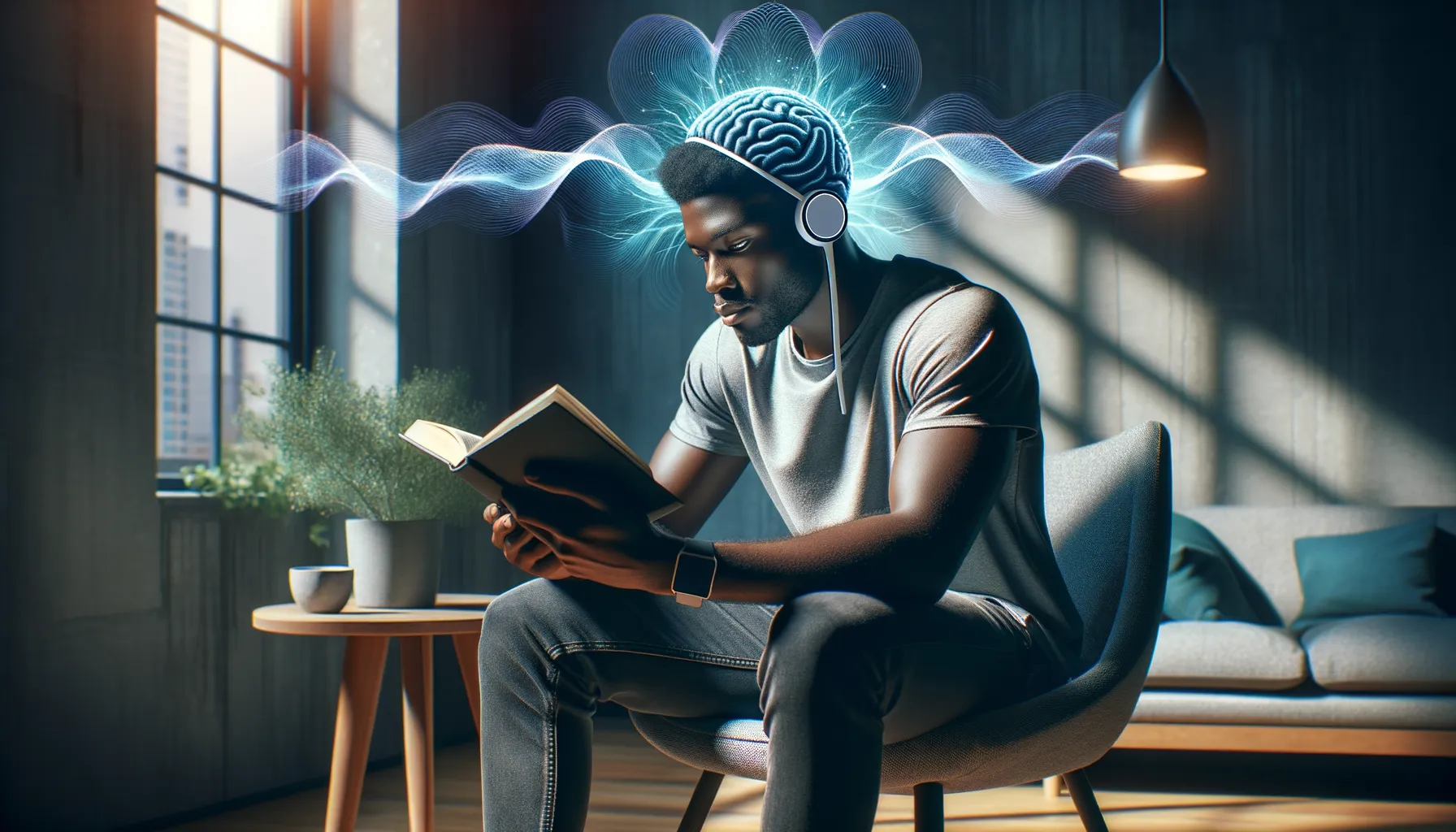
That's not science fiction. Consumer EEG headsets from companies like Muse, NeuroSky, and Emotiv are already on the market, ranging from $129 to over $1,000. Muse alone has collected over one billion minutes of brain data from its users. And unlike your medical records, this information has operated in a regulatory vacuum.
Until now.
Connecticut Draws a Line
On July 1, 2026, Connecticut becomes the first state to classify neural data as "sensitive personal information" under its amended Connecticut Data Privacy Act (CTDPA). The law defines neural data as "any information that is generated by measuring the activity of an individual's central nervous system."
This means companies collecting brain data from Connecticut residents will need to obtain explicit opt in consent before collecting it—the same level of protection afforded to genetic information, biometric data, and health records.
The implications are significant. Under the amended law, businesses that process any amount of sensitive data from Connecticut consumers must comply with the CTDPA, regardless of their size. There's no volume threshold. If you're collecting brain data, you're regulated.
Why Your Brain Data Is Different
Neural data isn't just another category of personal information. It's arguably the most intimate data that exists.
"Unlike other personal data, neural data—captured directly from the human brain—can reveal mental health conditions, emotional states, and cognitive patterns, even when anonymized," wrote a group of U.S. Senators in an April 2025 letter urging the FTC to act on neural data protection.
Research has shown that brain data can be used to identify you even when collected anonymously, simply by processing it alongside social media pictures of your face. Sophisticated algorithms can now infer language, images, dreams, or intentions from neural activity. Even your political ideology could potentially be revealed from your brain scans.
And here's the uncomfortable reality: a review of consumer neurotechnology companies found that nearly every company examined appeared "to have access to the consumer's neural data and provide no meaningful limitations to this access."
The Consumer Neurotech Boom
If brain sensing devices sound niche, consider the numbers. The EEG headset market is expanding rapidly, with major players including Emotiv, NeuroSky, Muse (InteraXon), BrainCo, and OpenBCI.
Muse's latest device, the Muse S Athena, combines EEG sensors with fNIRS (functional near infrared spectroscopy) to measure both brain electrical activity and blood oxygenation. The company has built what it calls a "foundation brain model"—an AI with a transformer architecture, similar to ChatGPT, trained on its massive dataset of brain recordings.
Meanwhile, Neuralink and other implantable brain computer interface companies are moving toward consumer applications. The bidirectional nature of these devices—they can both read from and potentially write to the brain—raises profound questions about cognitive liberty and mental privacy.
A Patchwork of Protection
Connecticut isn't entirely alone. California and Colorado enacted neural data protections in 2024, and Montana has followed. But the definitions vary significantly.
Connecticut's law applies only to central nervous system activity, while California and Montana also cover peripheral nervous system data. Colorado's definition is broader still. This patchwork creates compliance challenges for companies operating nationally and leaves most Americans without meaningful protection.
The federal MIND Act (Management of Individuals' Neural Data Act), introduced in 2025, calls for the FTC to study neural data safeguards. But it remains in legislative limbo.
Internationally, Chile led the way in 2021 by amending its constitution to protect "cerebral activity and the information drawn from it." In 2023, Chile's Supreme Court unanimously ruled that a company must delete a consumer's neural data—a landmark decision with no equivalent in U.S. law.
What This Means for You
If you use a brain sensing device—whether for meditation, sleep tracking, focus training, or gaming—your neural data is likely being collected, stored, and potentially shared with minimal restrictions.
Here's what you can do:
- Read the privacy policy. Look specifically for how neural data is collected, stored, shared, and whether you can request deletion.
- Check your consent settings. Some apps bury data sharing options in settings menus. Look for options to limit what's collected.
- Know your state's laws. If you're in California, Colorado, Connecticut, or Montana, you may have specific rights regarding neural data.
- Consider the tradeoffs. Brain sensing devices can offer genuine benefits for meditation and focus. But understand what you're trading for those benefits.
The Frontier of Privacy
Connecticut's neural data law is more than a technical compliance requirement. It represents a philosophical statement: that our thoughts deserve protection, and that companies shouldn't have unrestricted access to the most intimate information we possess.
As brain computer interfaces evolve from medical devices to consumer products, the questions will only grow more urgent. Can advertisers target you based on your emotional state? Can employers screen candidates using brain data? Can governments compel access to neural recordings?
These aren't hypothetical concerns. They're the logical extensions of current technology and current practices.
Connecticut has drawn a line. The question is whether the rest of the country—and the world—will follow.